
 EN
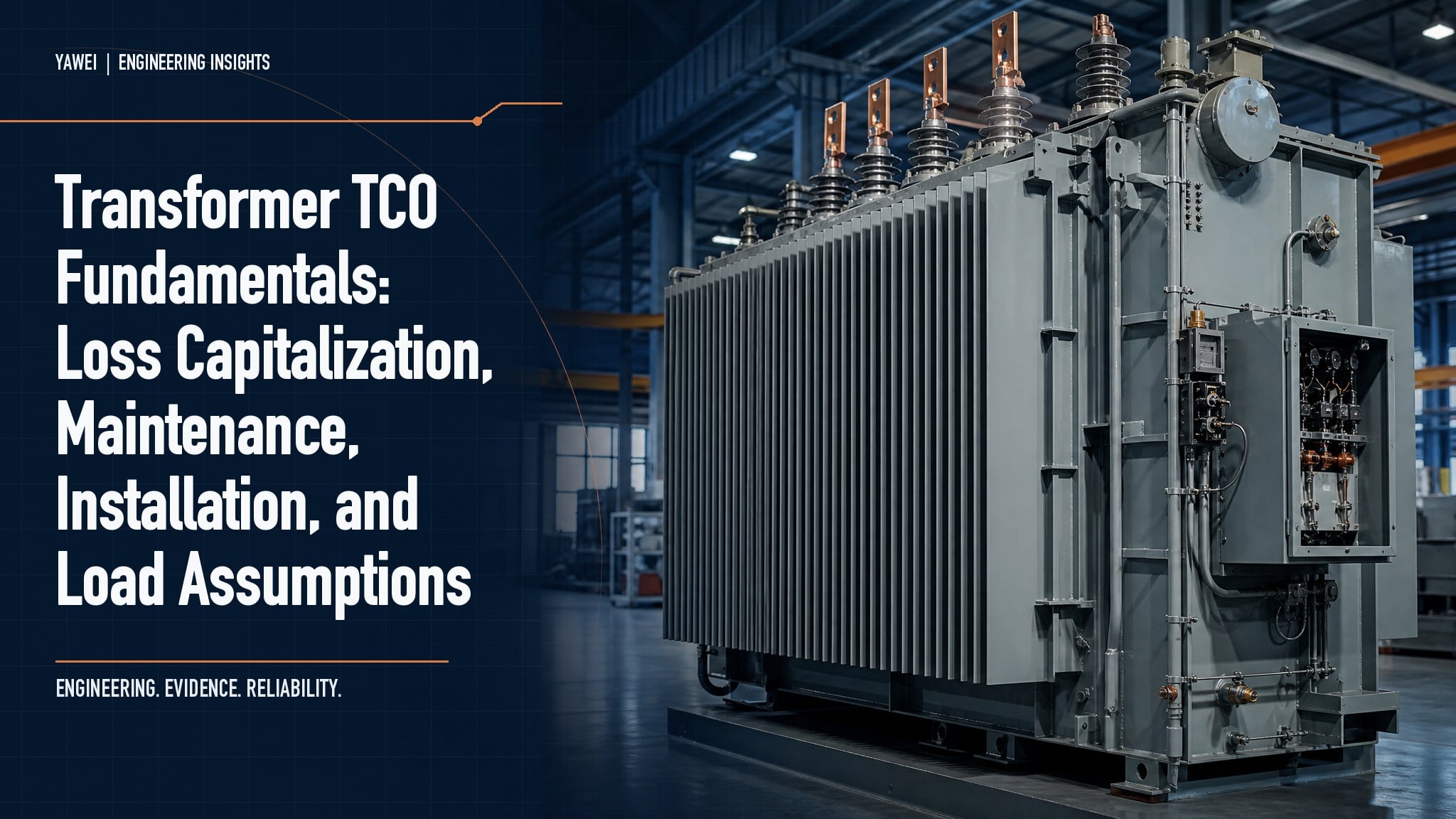
Two transformer offers can carry the same purchase price and still differ enormously in what they cost the owner over thirty years. The purchase price is only the visible part; energy losses, maintenance, installation, and the assumptions behind them decide the real bill. Total cost of ownership (TCO) is the discipline that turns those hidden costs into comparable numbers. This article sets out the fundamentals of a transformer TCO analysis — how to capitalize losses, how to account for maintenance, how to include installation and civil works, and which load and financial assumptions a buyer must fix before comparing offers. It provides a fill-in-the-blanks framework, not a set of universal constants, because the correct factors depend entirely on the project.
What a transformer TCO analysis actually compares
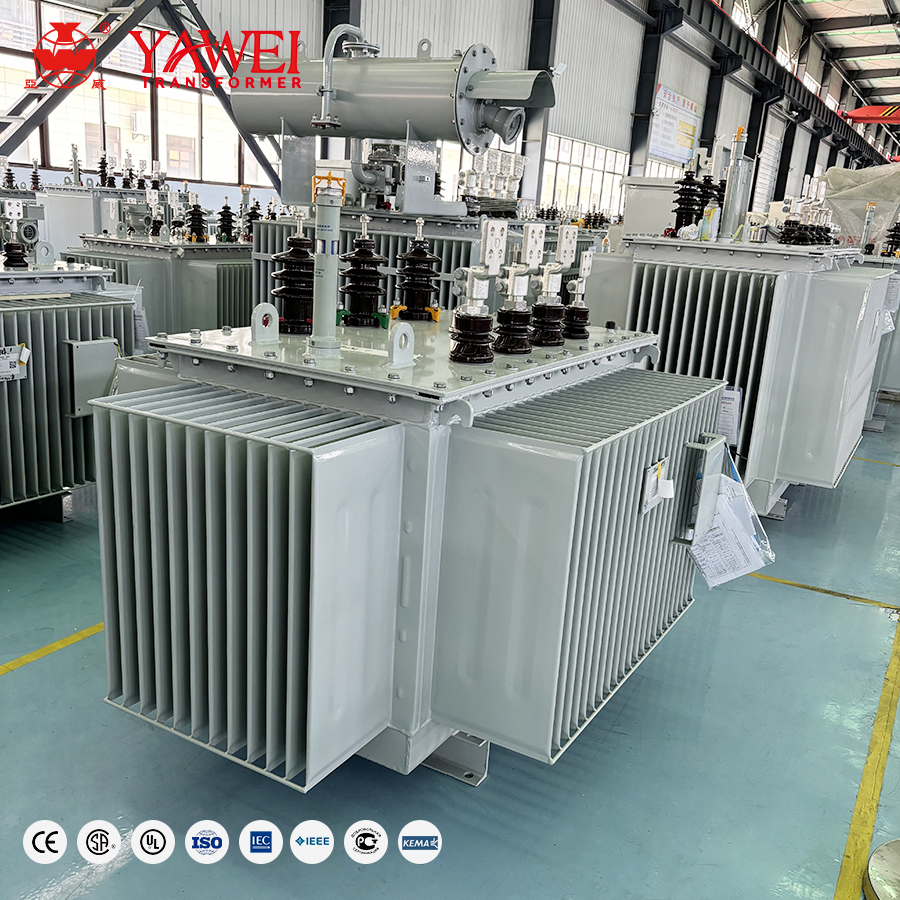
A transformer TCO analysis converts every cost that varies between offers into a single, discounted figure so that offers can be ranked fairly. The purchase price is the obvious input, but it is rarely the deciding one for a unit that runs continuously for decades. No-load losses accrue every hour the transformer is energised, whether or not it carries load; load losses rise with loading; maintenance recurs annually; and installation depends on the site. Ignoring these items biases the decision toward a cheaper unit that can be far more expensive to operate.
A good transformer TCO analysis is therefore explicit about three things: the boundary (which costs are inside the comparison), the assumptions (electricity price, hours, life, discount rate), and the basis for any capitalised value. Without that discipline, two buyers can compute two different "TCOs" from the same data and reach opposite conclusions. The sections below build the model step by step.
It also helps to recognise what a transformer TCO analysis is not. It is not an engineering judgement about quality, and it is not a guarantee that the lowest life-cycle number is the best technical choice. It is a translation device: it converts technical performance and operating assumptions into a common cost language. Used well, it clarifies a decision that would otherwise be dominated by purchase price; used carelessly, it simply hides one set of assumptions behind a single number.
Step 1: Loss capitalization
The core of a transformer TCO analysis is loss capitalization. No-load and load losses are converted into a monetary value and added to the purchase price. The standard relationship is:
capitalised loss = loss value × annual equivalent utilisation hours (or 8,760) × electricity price, discounted over the project life.
Adding the capitalised loss value to the purchase price gives a total cost of ownership that allows offers to be compared fairly. The method deliberately makes loss performance visible: a unit with lower losses can justify a higher purchase price once the energy saved is capitalized.
The specific capitalisation factors depend on the electricity price, the annual hours, and the discount rate pursued by the buyer. Published materials do not provide these factors, so they should be set per project with the basis stated openly in the evaluation. A buyer who documents the factor used — and applies it to every offer identically — produces a credible transformer TCO analysis rather than a subjective preference. Because no-load losses are incurred continuously, even a modest reduction in no-load loss can accumulate to a significant capitalised value over a long service life, which is why the factor deserves careful, documented selection rather than a default.
Step 2: Maintenance across the life cycle
Maintenance is the second recurring cost. Yawei's published FAQ lists maintenance activities that affect life-cycle cost, including an annual inspection of oil pumps, fans, and bushings, together with oil-quality testing. A transformer TCO analysis should therefore include the maintenance items that accumulate over the service life:
- Oil testing and oil treatment.
- Inspection and maintenance of the cooling system (oil pumps, fans, bushings).
- Tap-changer maintenance.
- Seals, oil filtration, and related consumables.
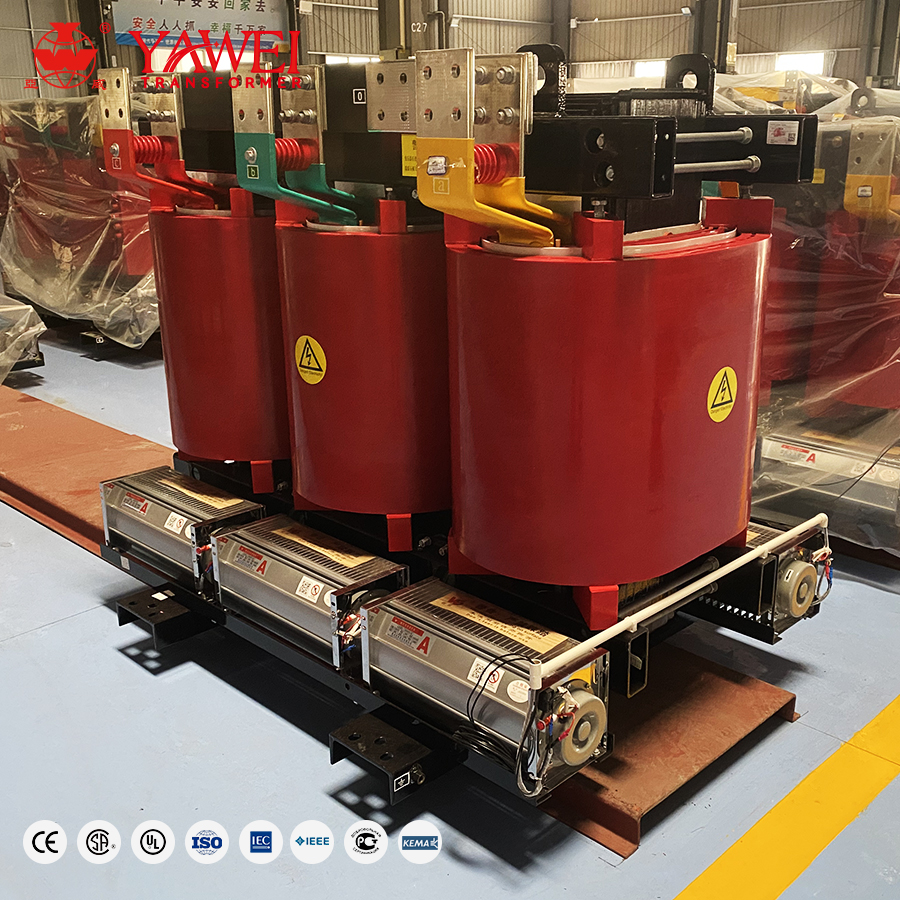
These activities are the reason a life-cycle view matters. Dry-type transformers generally carry lower maintenance cost because they use no insulating oil, while oil-immersed units require oil monitoring and cooling-system care. The conversion factors for capitalised losses and maintenance cost are not published, so the practical approach is to discount the annual maintenance cost to present value over the service life and include it in the comparison. That keeps a transformer TCO analysis consistent between oil-immersed and dry-type options instead of penalising one technology on purchase price alone.
Buyers should also decide how to treat the possibility of major interventions — for example an oil-processing event or a tap-changer overhaul — rather than assuming a flat annual spend. Even if the exact frequency is unknown, documenting the assumption keeps the transformer TCO analysis transparent and allows sensitivity testing later.
Step 3: Installation and civil works
Installation is often overlooked because it is quoted separately, yet it can shift the ranking of offers. When assessing offers, buyers should include, beyond purchase price and losses:
- Installation cost: hoisting and positioning.
- Foundation and civil works: concrete base and cable trench.
- Cable laying and connection cost.
These costs vary with the site and the connection method. A transformer TCO analysis that omits them quietly assumes every unit installs identically, which is rarely true — a heavier oil-immersed unit may need more crane capacity and a larger foundation than a comparably rated dry-type unit. The discipline is to apply the same installation scope to every offer so that the whole-life cost basis is comparable. Where site data is uncertain, the assumption should be stated so that reviewers can see its effect.
Step 4: Load and financial assumptions
Assumptions decide the result. Computing a total cost of ownership requires a defined set of inputs, and each one moves the answer:
- Electricity price: time-of-use or average, chosen and stated.
- Annual equivalent utilisation hours, or a load-factor curve.
- Project life and discount rate.
- Loss values: no-load and load losses for each offer.
These assumptions directly affect the loss-capitalisation result, so they should be defined once and applied consistently across all options. If one offer is evaluated with a low discount rate and another with a high one, or with different annual hours, the comparison is distorted before any engineering merit is considered. Making assumptions explicit is what gives a transformer TCO analysis its authority; hiding them is what makes a TCO number impossible to trust.
A framework for building a transformer TCO analysis
The table below lists the inputs a buyer must gather. It is deliberately blank in terms of values — every figure comes from the project.
Once the table is filled, the same model can evaluate every offer. Building it once, in a spreadsheet, is the most practical way to run a transformer TCO analysis consistently and to re-run it when assumptions change. Modelling it in a spreadsheet also lets reviewers change one assumption at a time and watch the ranking respond, which is far more convincing than a fixed number presented without its inputs.
Application example: a steel-factory substation in Seville, Spain
Yawei's published project portfolio includes a 132 kV power transformer used in the substation of a steel factory in Seville, Spain, for a Spanish transmission company. The case notes that industrial users, especially large electric-arc-furnace steel mills, have extremely demanding load profiles. That is exactly the situation that makes a transformer TCO analysis decisive: a load that swings with furnace cycles changes the relative weight of load losses, cooling performance, and maintenance, so purchase price alone is a poor guide. A project like this shows why buyers should fix their load assumptions before tender and apply them to every offer.
Common pitfalls
The first pitfall is comparing purchase prices and calling it a comparison. The second is using inconsistent assumptions between offers. The third is omitting installation and civil works. The fourth is treating maintenance as a fixed percentage when the real driver is the maintenance schedule for the specific technology. Each mistake can be avoided by keeping the transformer TCO analysis structured and documented. A simple checklist — boundary, assumptions, factor basis, and identical scope — catches most errors before they distort an award decision.
It is equally important to avoid false precision. Presenting a ranking to three decimal places when the underlying assumptions are estimates gives a false impression of certainty. A robust transformer TCO analysis is honest about which inputs are firm and which are estimates, and it tests whether the ranking survives plausible changes in those estimates. If a small change in the discount rate flips the result, that is useful information, not a failure of the method.
How TCO connects to selection
A transformer TCO analysis should not be a separate exercise from selection. The same choices that set capacity, voltage, and cooling also set the losses and the maintenance profile, so the two should inform each other. Buyers can review the power transformer range and the dry-type transformer options to understand how technology choice feeds directly into the loss and maintenance lines of the model. When selection and TCO are aligned, the cheapest whole-life option usually becomes obvious, and the decision is defensible against later challenge.
Summary
A sound transformer TCO analysis capitalises losses, accounts for maintenance over the service life, includes installation and civil works, and fixes load and financial assumptions before any offers are compared. It adds the capitalised loss value to the purchase price and discounts the recurring costs to a single comparable figure. Because published materials do not provide the capitalisation factors, discount rate, or annual hours, those values must come from the project and be stated openly. The framework above is a starting point; the numbers, always, come from the buyer's own project data. Used transparently, a transformer TCO analysis turns a price conversation into a cost conversation, and that is exactly what a long-lived asset deserves.
Quality Assurance & Standards Notes
- This article provides a cost framework only. Loss-capitalisation factors, discount rates, annual utilisation hours, electricity prices, maintenance-cost conversion factors, and project lifetimes are not published by Yawei and must be supplied by the buyer for each project.
- Yawei's published FAQ states that maintenance includes an annual inspection of oil pumps, fans, and bushings and oil-quality testing, and that dry-type transformers have lower maintenance cost. These statements describe maintenance scope, not a specific maintenance price.
- Transformer loss values, ratings, and technology are drawn from published product data and should be confirmed against the latest data sheet for the specific model and project.
- No failure rates, reliability statistics, or OEM cost figures are asserted here; where a comparison requires them, buyers should request operating data or third-party assessment.
- All TCO comparisons should state the boundary, the assumptions, and the discounting basis so that offers are compared on an identical footing.
Table of Contents
- What a transformer TCO analysis actually compares
- Step 1: Loss capitalization
- Step 2: Maintenance across the life cycle
- Step 3: Installation and civil works
- Step 4: Load and financial assumptions
- A framework for building a transformer TCO analysis
- Application example: a steel-factory substation in Seville, Spain
- Common pitfalls
- How TCO connects to selection
- Summary
- Quality Assurance & Standards Notes