

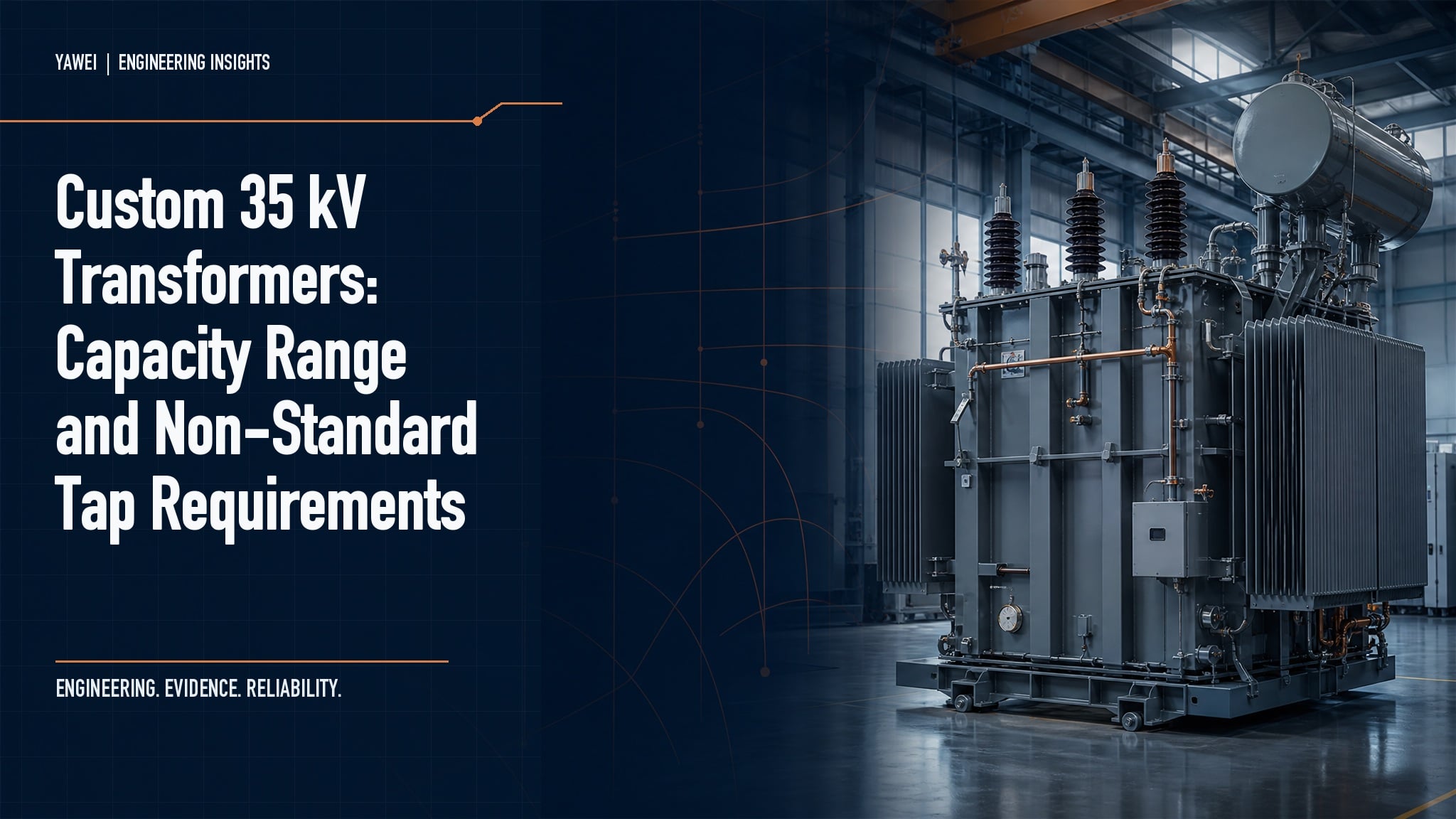
Distribution and sub-transmission projects rarely fit a catalogue exactly. A site may need a 35 kV transformer at a capacity the standard table does not list, or a tap range that differs from the default steps, or on-load regulation that the standard...
VIEW MORE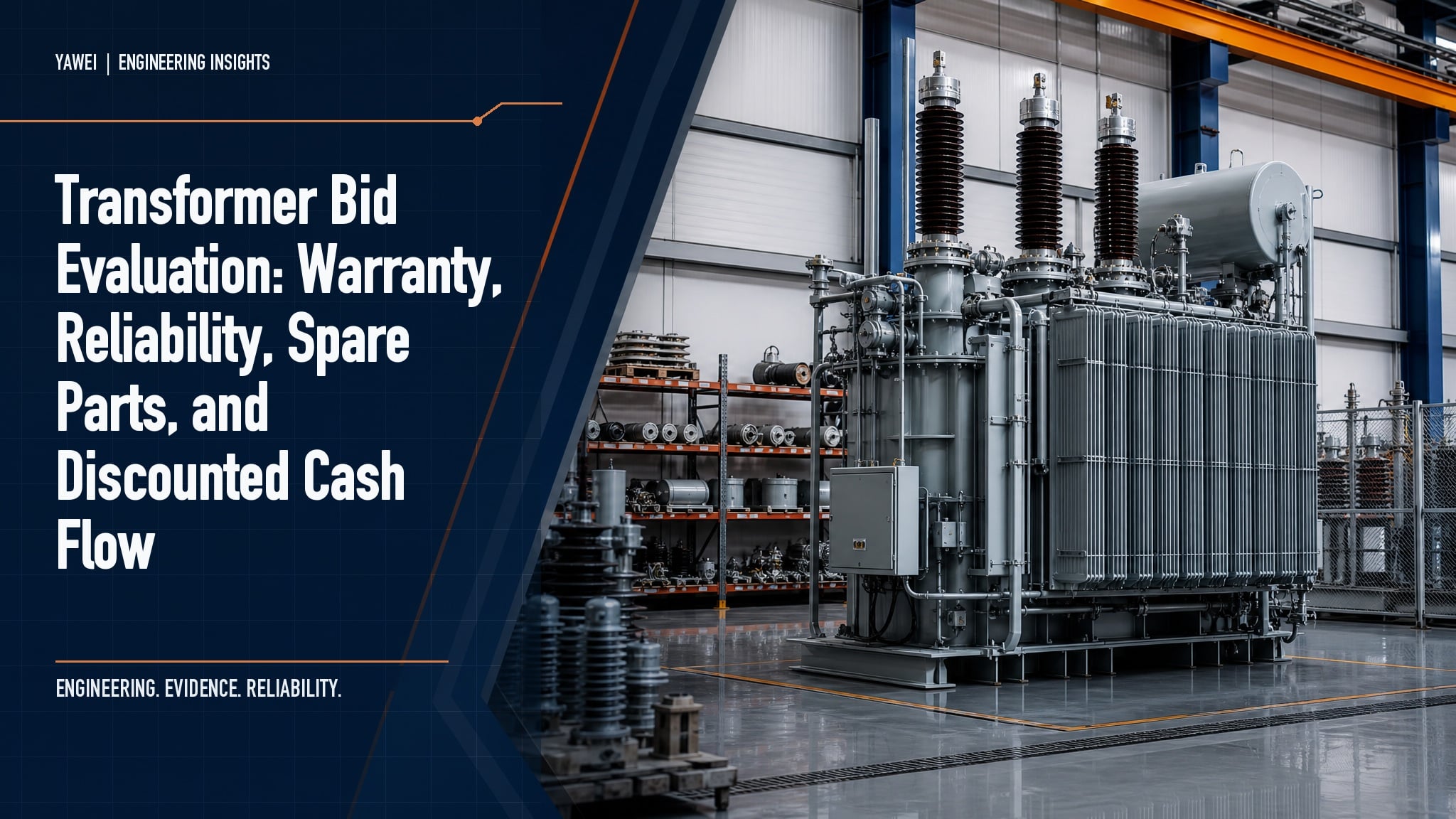
Awarding a transformer contract is a risk decision as much as a price decision. The lowest offer can carry the highest long-term cost if its warranty is thin, its reliability uncertain, or its spare parts expensive and slow to arrive. A disciplined t...
VIEW MORE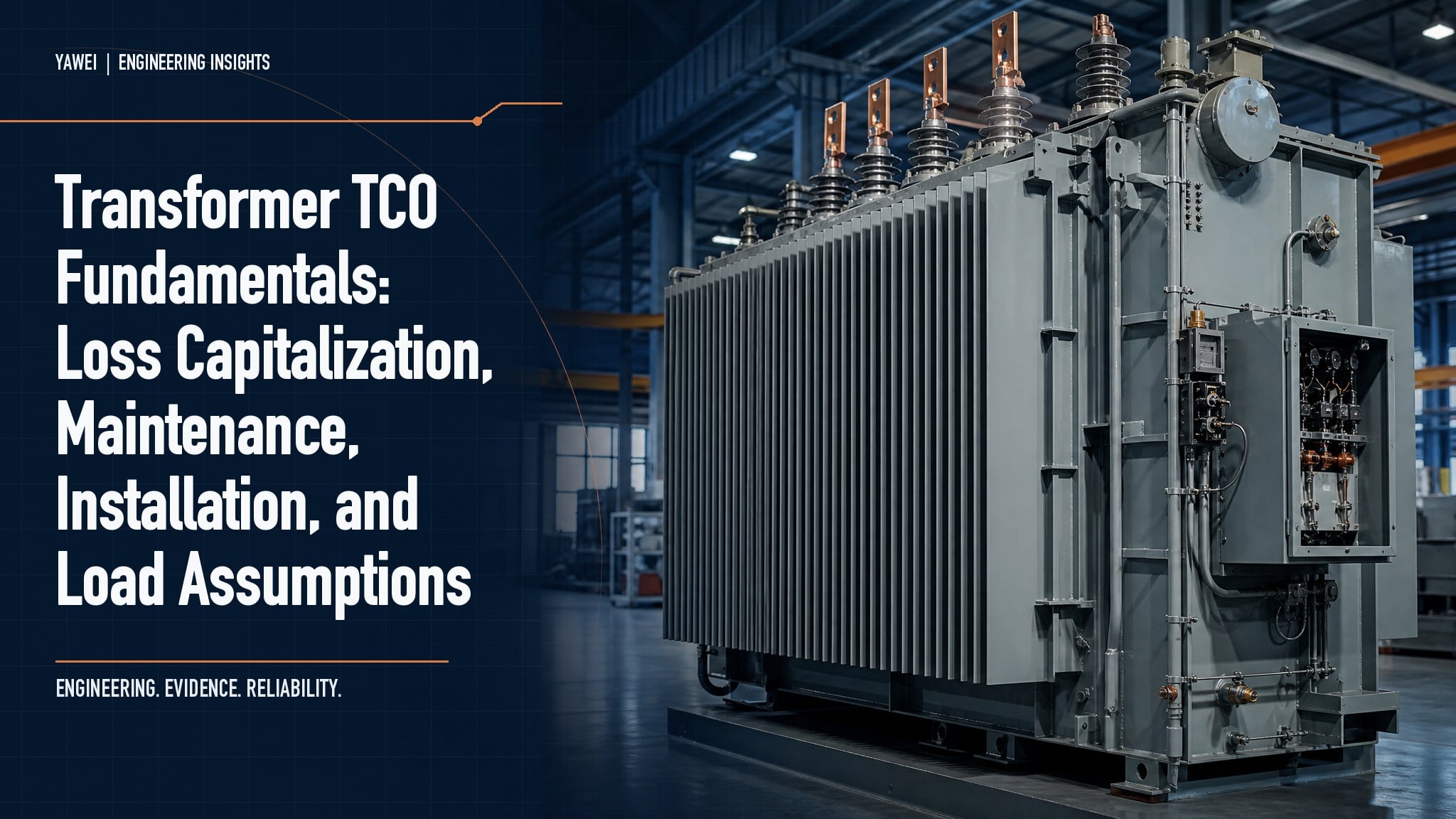
Two transformer offers can carry the same purchase price and still differ enormously in what they cost the owner over thirty years. The purchase price is only the visible part; energy losses, maintenance, installation, and the assumptions behind them...
VIEW MORE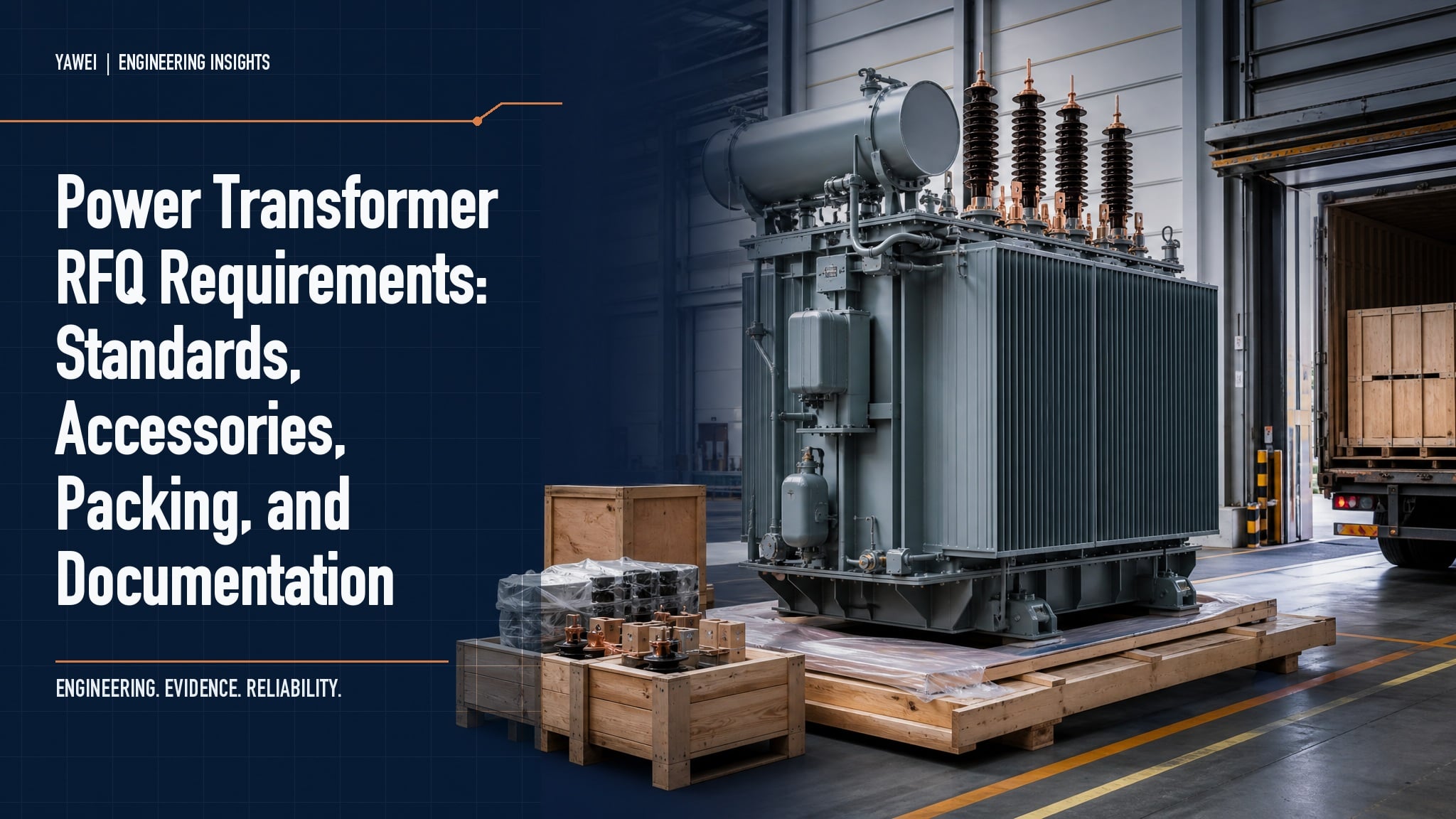
A power transformer is one of the largest capital items in a substation or distribution project, and the request for quotation (RFQ) is the document that fixes almost every technical and commercial expectation before a contract is signed. Well-struct...
VIEW MORE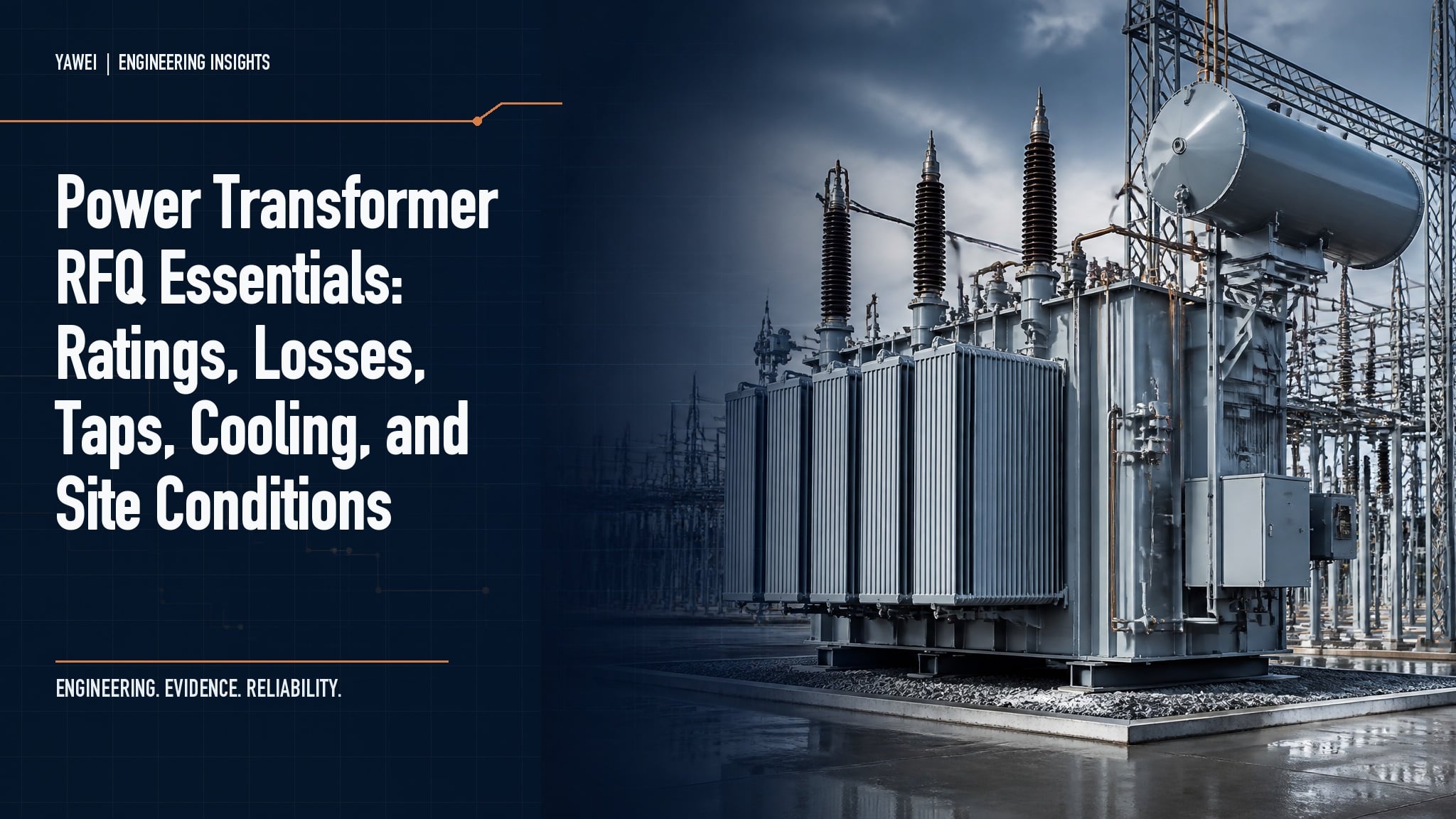
A power transformer RFQ is only as good as the technical baseline it defines. When the request for quotation is complete, suppliers price the same machine and the resulting offers can be compared line by line. When it is vague, each supplier fills th...
VIEW MORE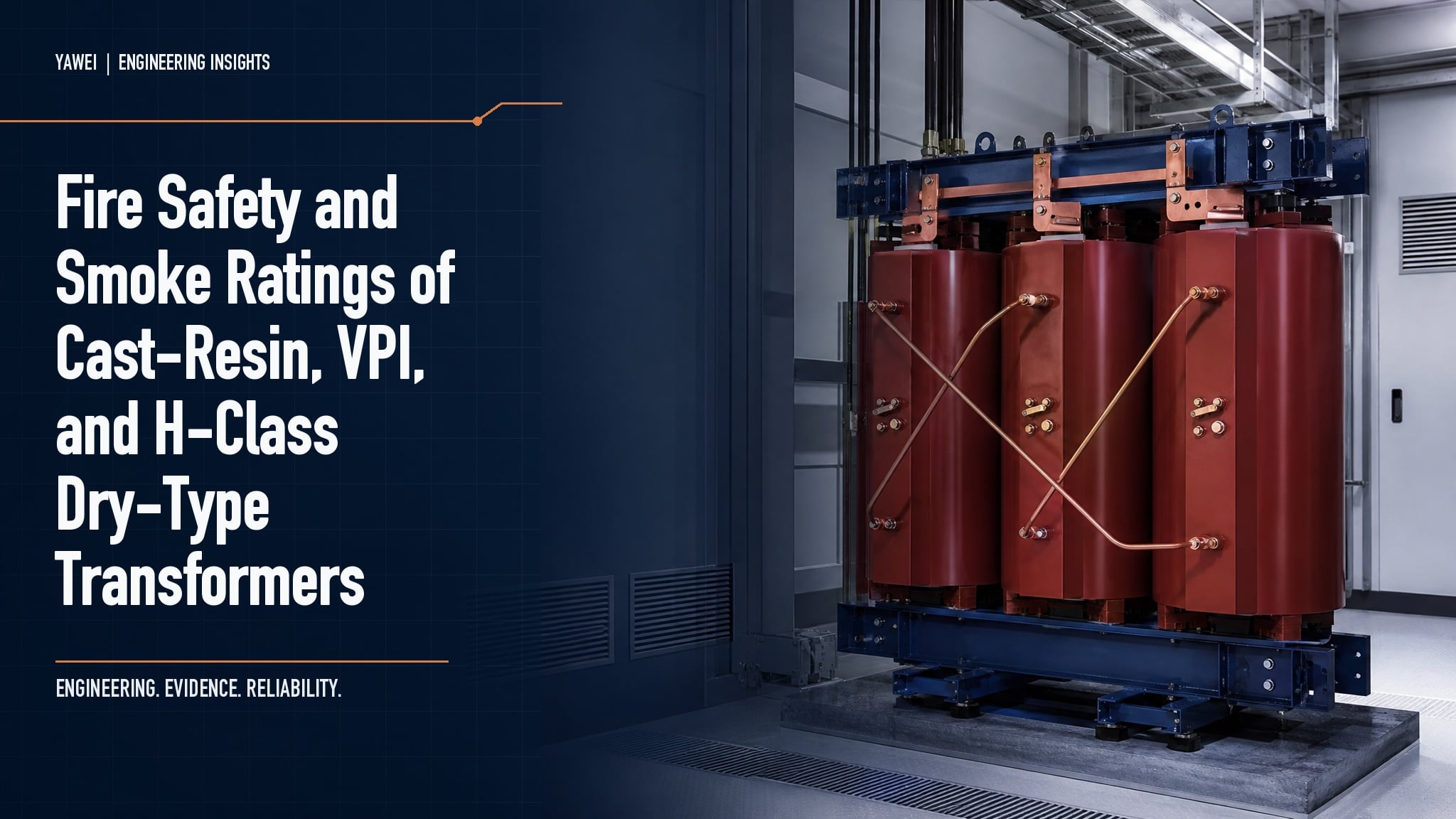
When a transformer is installed inside a building, a tunnel, a data hall, or a densely occupied commercial site, the specification conversation changes. Performance and price still matter, but dry-type transformer fire safety moves to the top of the ...
VIEW MORE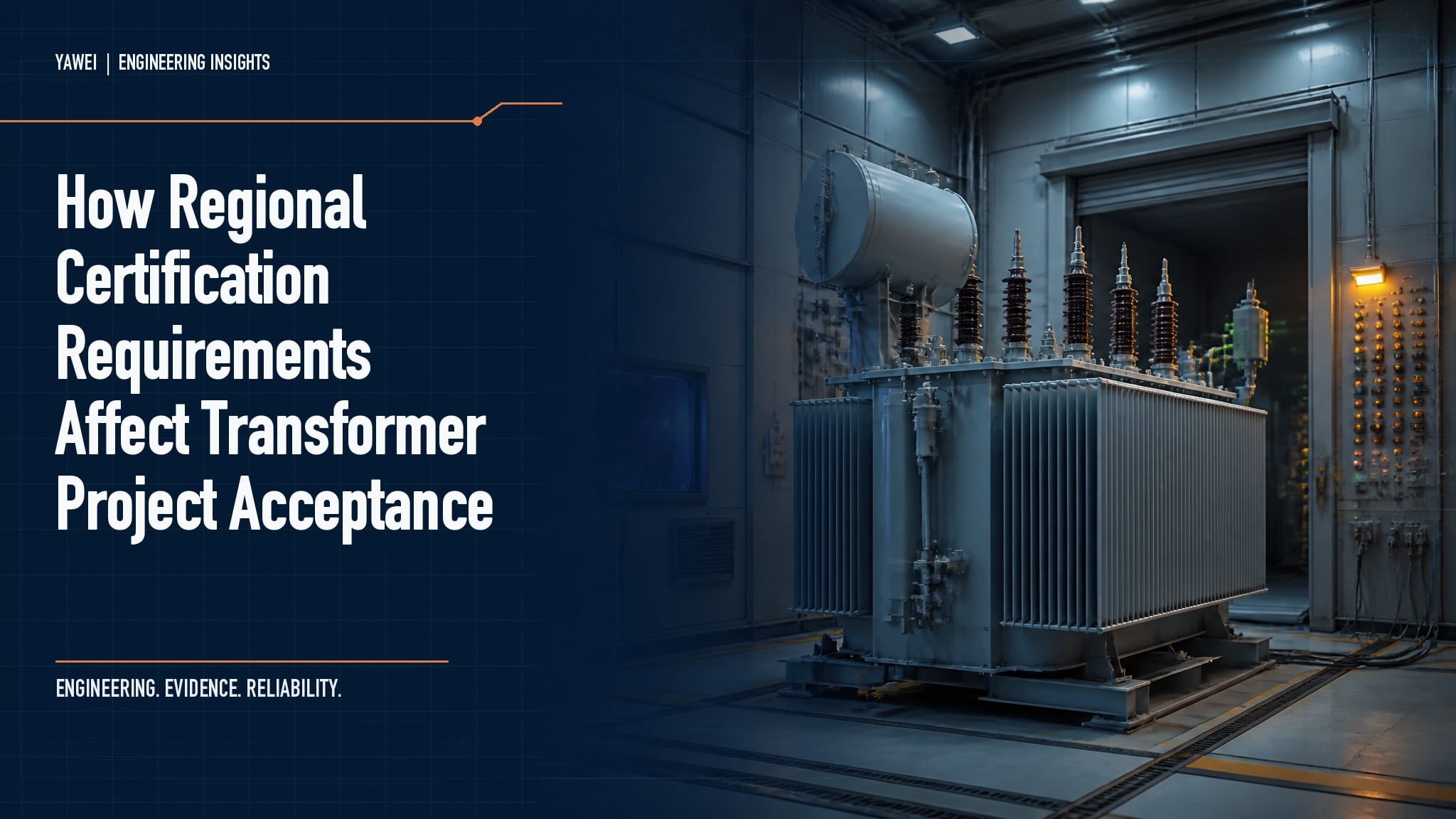
Few topics cause more late-stage disputes in international power projects than transformer certification requirements. A supplier states that its products "meet international standards," the buyer reads that as "certified for my market," and the gap ...
VIEW MORE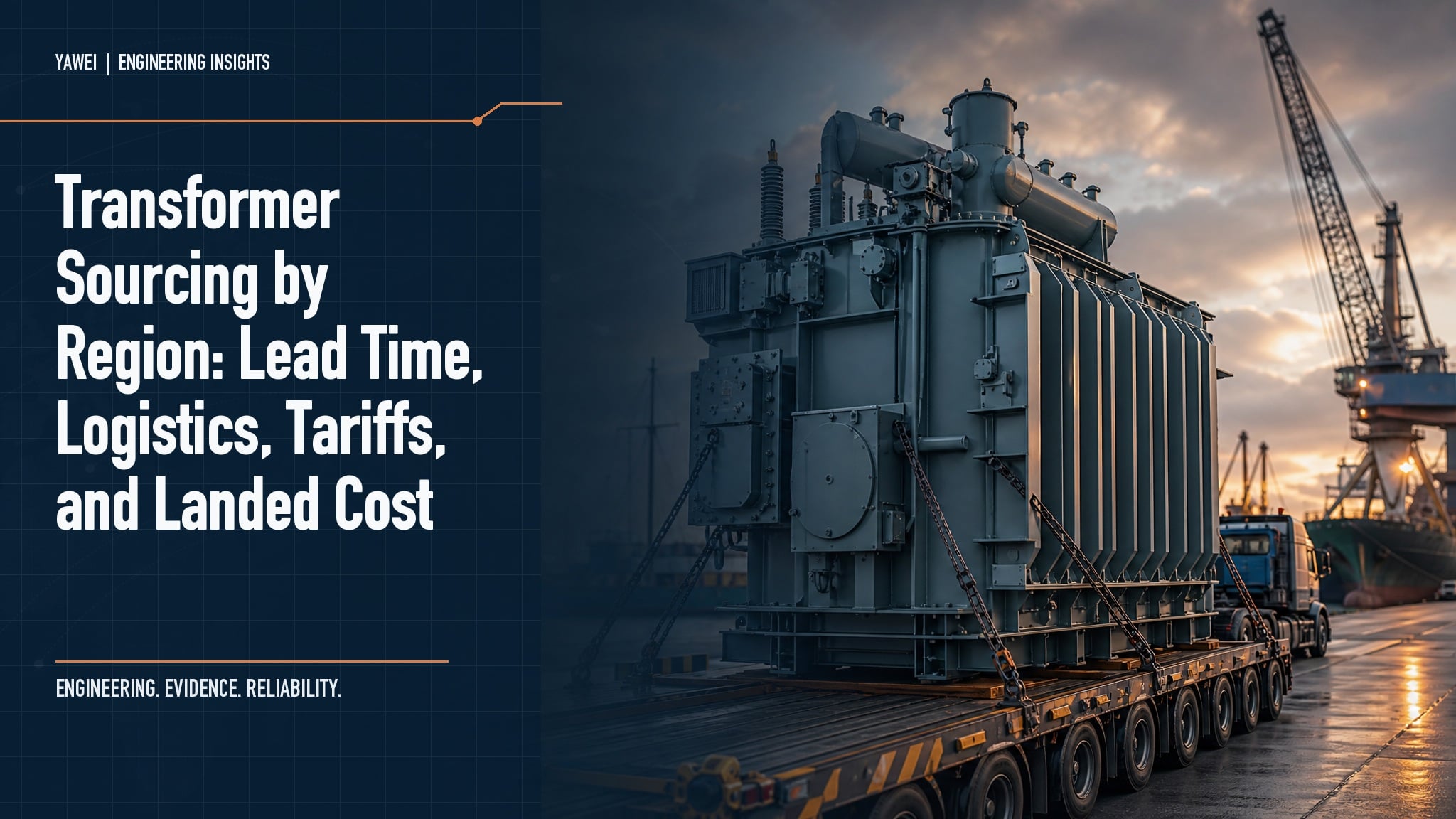
Regional transformer sourcing is usually reduced to a single question: which supplier quotes the lowest price? In practice, the more useful question is which option delivers the lowest total cost of ownership once lead time, freight, duty, inland tra...
VIEW MORE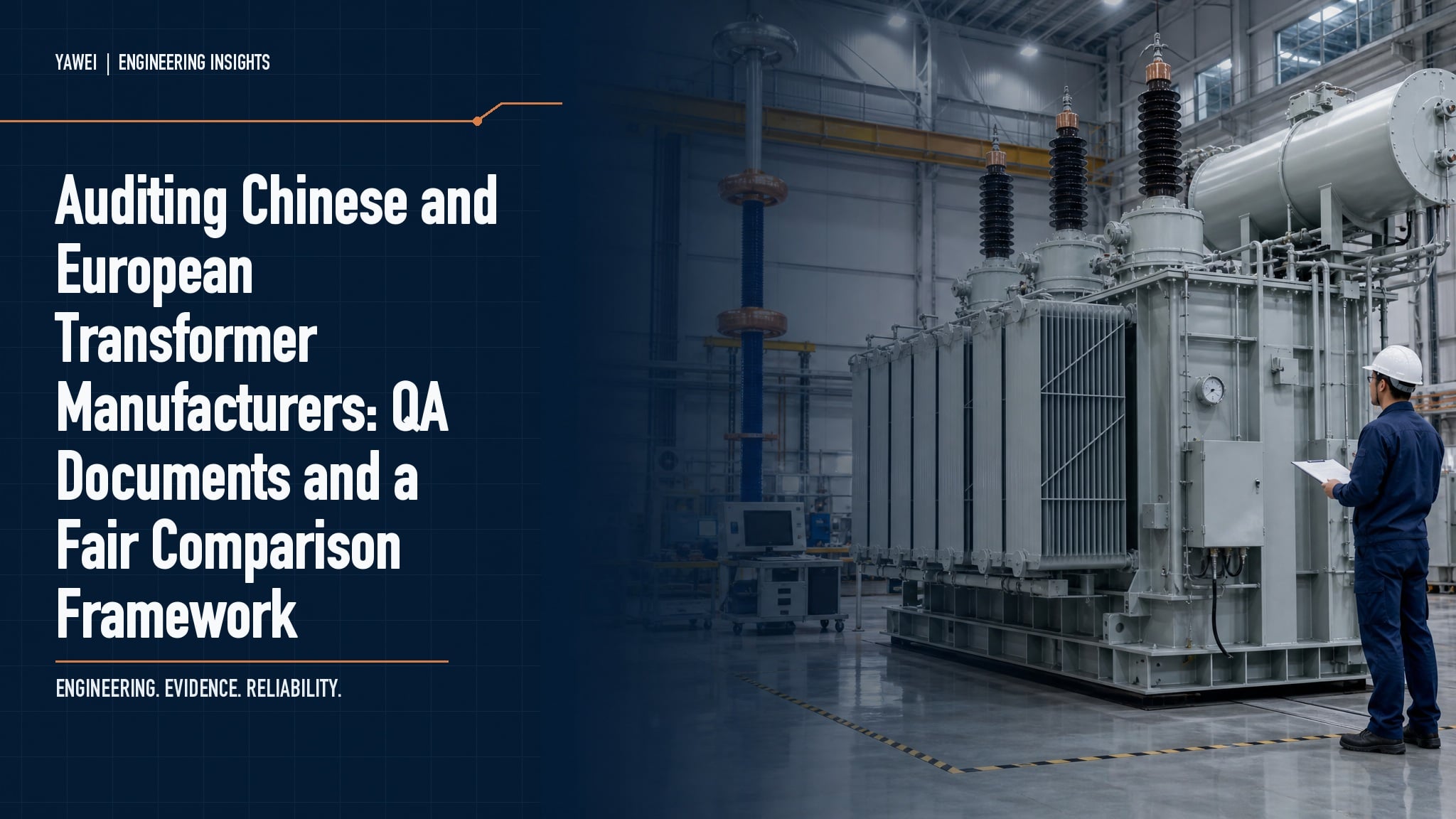
Sourcing transformers across regions fails for a predictable reason: buyers compare quotations that were never built on the same basis. A Chinese supplier may quote ex-works with a shortened certification pack, a European supplier may quote delivered...
VIEW MORE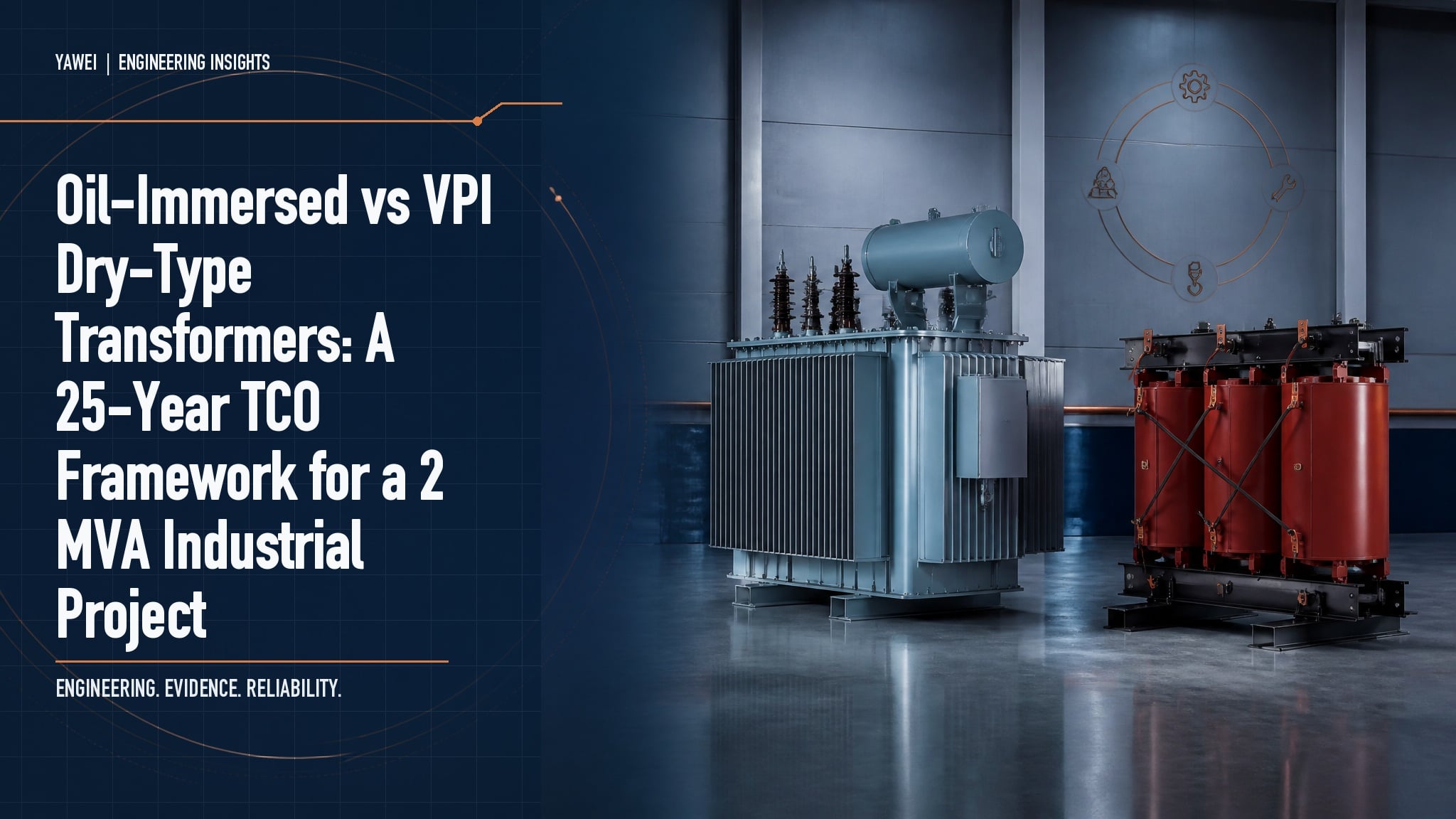
Choosing between an oil-immersed and a VPI dry-type transformer for a 2 MVA industrial installation is rarely decided by purchase price alone, and it should not be. Over a 25-year service life a transformer spends far more on energy and upkeep than i...
VIEW MORE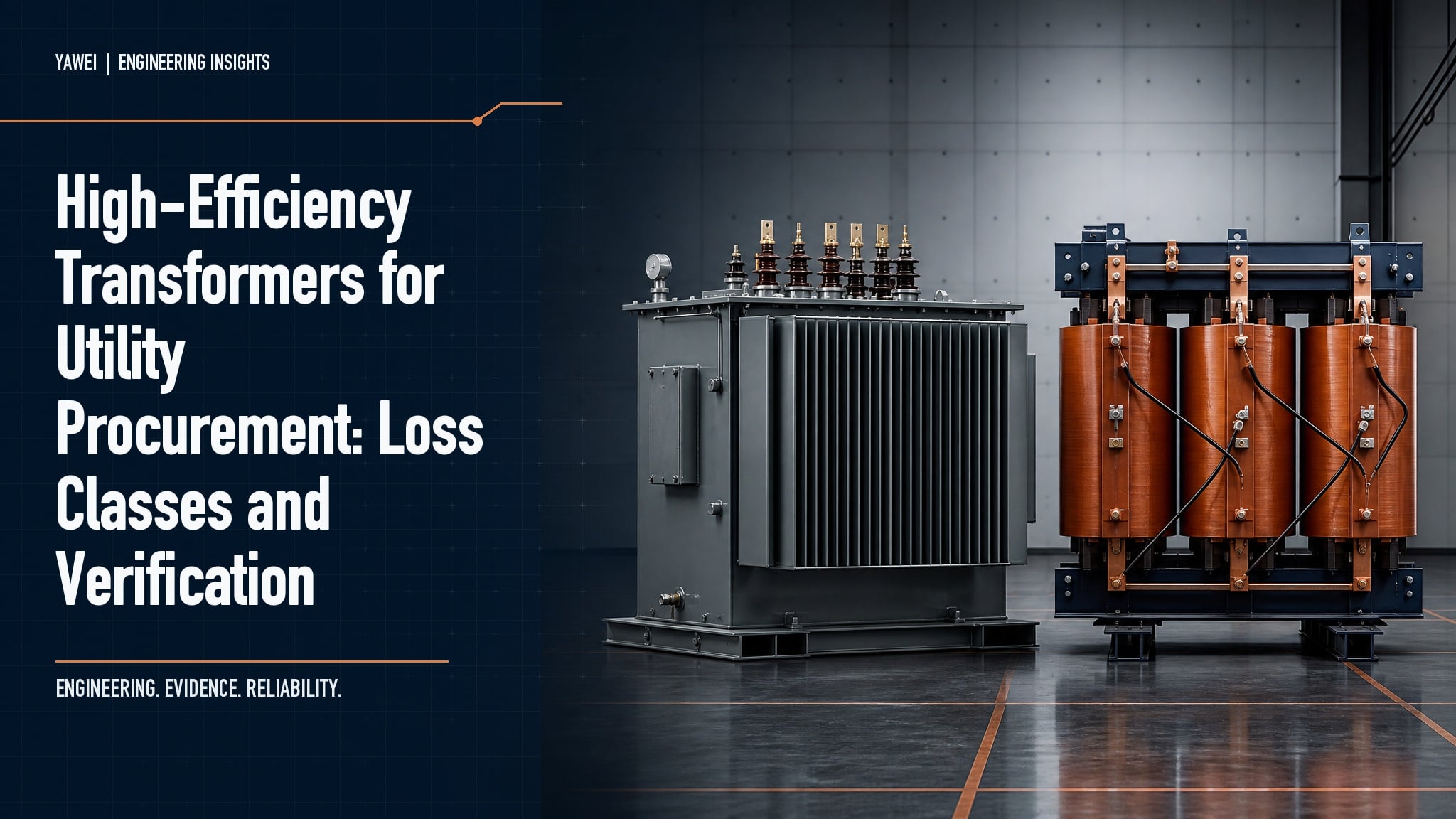
A high-efficiency transformer is not a marketing label. For a utility, it is a unit whose no-load and load losses meet a defined efficiency class or loss level, for a stated capacity and market, and whose performance is evidenced by a test report rat...
VIEW MORE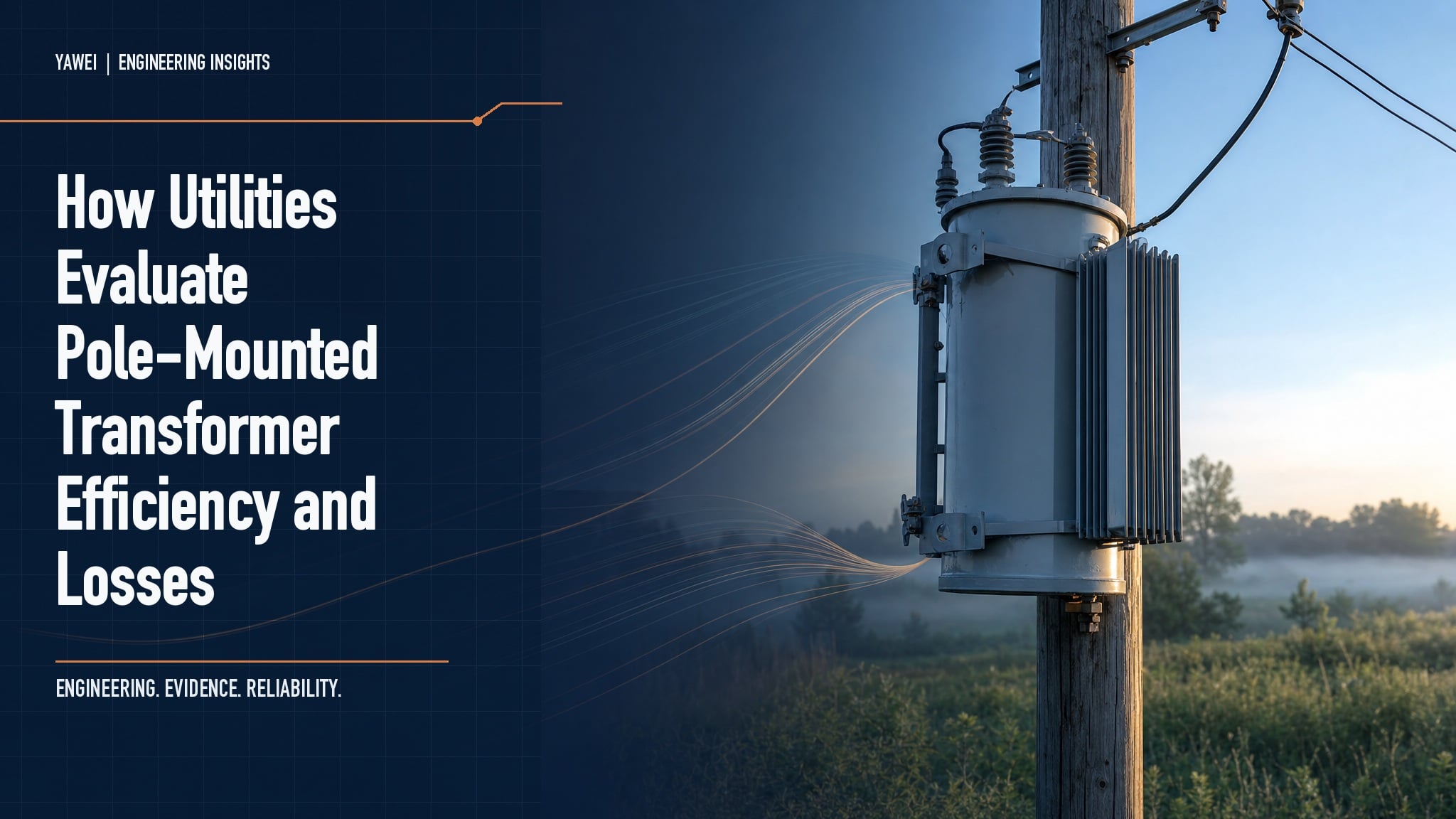
Distribution utilities rarely approve a pole-mounted transformer on price alone. Before a unit enters an approved materials list, it must show that it clears a regulated minimum efficiency, that its losses are economically acceptable under the utilit...
VIEW MORE EN